Retaining Walls & Concrete Masonry
Turn problem slopes into usable space while protecting your property.
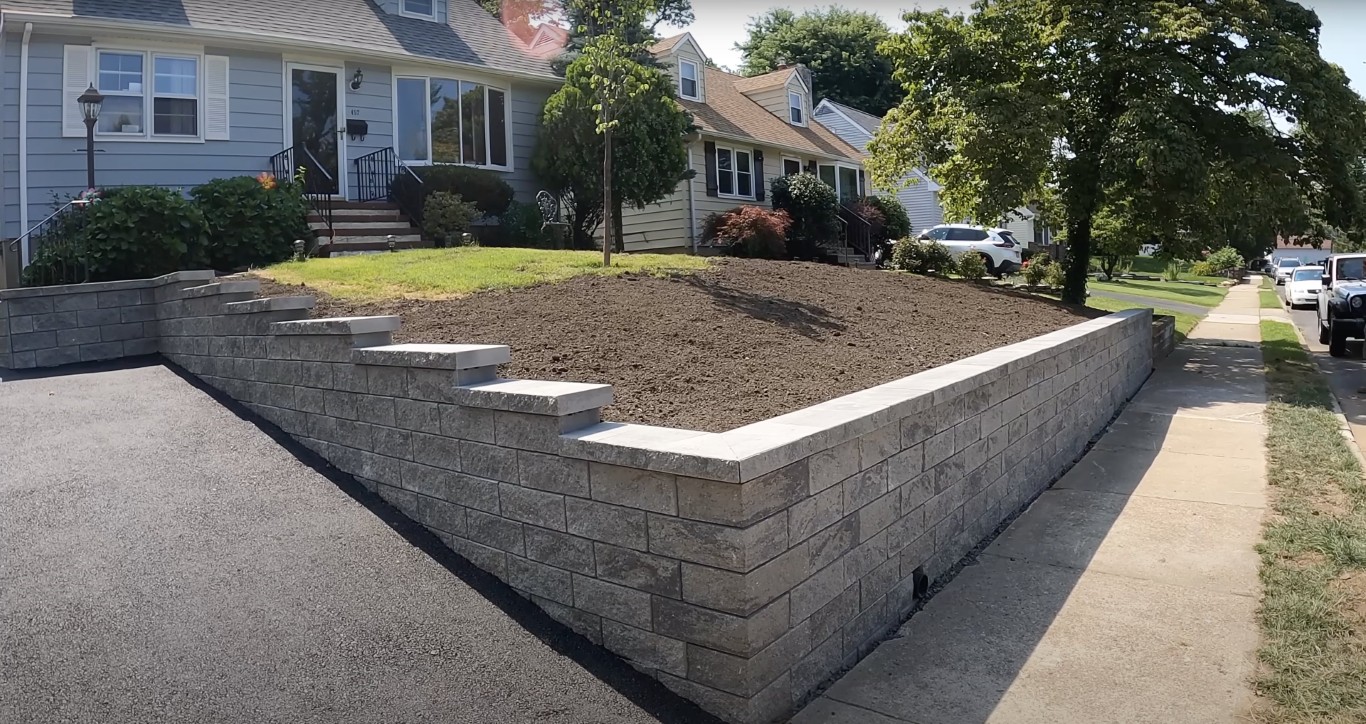
If your property sits on a slope, you probably deal with erosion, limited usable space, and drainage challenges. A well-designed retaining wall solves these problems by holding back soil, creating level areas, and directing water where you want it to go. Whether you need to protect your foundation, expand your yard, or prevent hillside erosion, a properly built wall makes your property more functional and valuable.
We build retaining walls and concrete masonry structures throughout Huntington, WV that handle our heavy rains and clay soils. From simple garden walls to major hillside stabilization projects, we engineer and construct walls that last decades without failing or requiring constant maintenance.
Why Retaining Walls Matter
Slopes create real problems for homeowners. Rainwater rushes down hills, carrying away topsoil and creating gullies. Erosion can undermine foundations, damage landscaping, and make portions of your property unusable. Retaining walls stop these issues by holding soil in place and controlling water flow.
Here is what a properly designed retaining wall does for your property:
- Prevents soil erosion and protects landscaping investments
- Creates level spaces for patios, gardens, or play areas
- Protects foundations from water and soil pressure
- Manages drainage to prevent flooding and water damage
- Adds visual interest with terraced landscaping
- Increases usable yard space on sloped properties
A failing retaining wall becomes a major expense. Walls that lean, crack, or settle usually need complete replacement because the underlying drainage or structural design was inadequate. We build walls right the first time with proper engineering, drainage, and construction techniques.
Retaining Wall Options
The right retaining wall system depends on your wall height, soil conditions, and aesthetic preferences. Here are the most common types we build:
Segmental Block Walls
These use interlocking concrete blocks specifically designed for retaining walls. They work well for walls up to 6 feet tall and come in various colors and textures. Installation is faster than poured walls, and the modular design allows for curves and design flexibility. They are a good choice for residential landscaping projects.
Poured Concrete Walls
For taller walls or heavy-duty applications, poured concrete with steel reinforcement provides maximum strength. These walls can be finished smooth, stamped, or veneered with stone or brick. Poured walls work well for basement walls, tall hillside retention, and commercial applications.
Concrete Masonry Unit Walls
Standard concrete blocks reinforced with rebar and filled with concrete create strong, economical walls. These work well for utility walls, tiered systems, and situations where appearance is less critical than function. They can be stuccoed or faced with stone for improved appearance.
Engineering for Long-Term Stability
Most retaining wall failures happen because of poor drainage or inadequate foundation preparation. Water builds up behind the wall, creating pressure that pushes it forward. Frost heave lifts walls that lack proper footings. These problems show up as cracks, bulging, or complete wall collapse.
We prevent failures by addressing drainage from the start. Every wall we build includes proper drainage systems. This usually means gravel backfill, perforated drain pipes at the base, and weep holes or drainage channels to move water away. For taller walls or problem soils, we may use geogrid reinforcement that ties the wall into the hillside for extra stability.
Foundation work matters just as much as the wall itself. We excavate to stable soil below the frost line and pour reinforced concrete footings sized for the wall height and soil pressure. This gives your wall a solid base that will not settle or shift. For walls over 4 feet tall, we typically recommend having a structural engineer review the design and provide stamped drawings if required by local codes.
Building Walls for West Virginia Conditions
Huntington's clay-heavy soils and heavy rainfall create tough conditions for retaining walls. Clay expands when wet and contracts when dry, putting extra pressure on walls. Our frequent rain means drainage systems must handle significant water volume. Freeze-thaw cycles can damage walls that lack proper footings.
We account for these local conditions in every wall we build. That means deeper footings, more robust drainage systems, and construction techniques proven to work in our climate. We have seen what fails and what lasts, and we use that knowledge to build retaining walls in Huntington that protect your property for decades.
Need a Retaining Wall?
Let's evaluate your property and discuss your options. We can recommend the right wall system for your situation and provide a detailed quote that covers all aspects of the project.